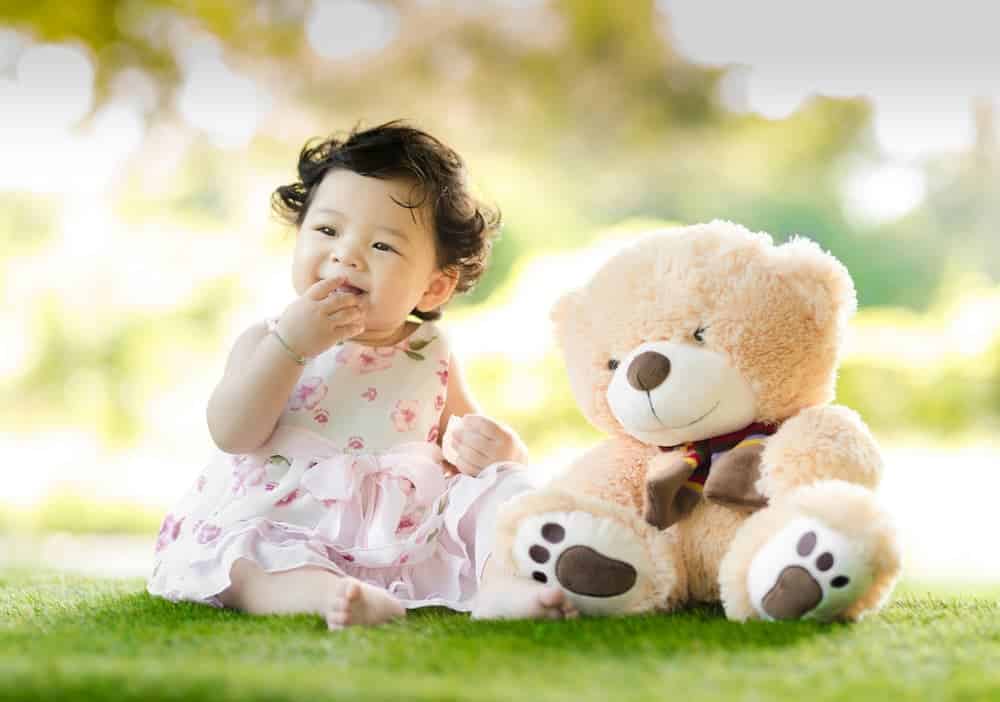
In our baby group we focus on caring, attentive and respectful childcare based on the Emmi Pikler approach. We create a safe and stimulating environment where each child explores the world at their own pace.
Programme and Pedagogy
Our educational team supports children in the baby group through their first stages of development without pressure. Children grow at their own pace, move freely and learn independently, whether reaching, crawling or taking their first steps. Through guided activities we encourage their natural curiosity, sensory perception and motor skills.
Consistent routines are important because they give children a sense of security. Changing, feeding and sleeping are not routine tasks but valuable moments for building relationships. Our staff take time, show patience and give each child full attention. This builds trust and a strong sense of security.
We design the baby group environment to remain calm and low in stimulation, with a small selection of materials that invite children to explore without overwhelming them. In our baby group each child receives attentive care and individual support so they develop at their own pace and grow with confidence and trust.
Early childhood care and education play an important role in your child’s development. The baby group at Blüemli Daycare integrates the principles of the Swiss Early Childhood Education Framework directly into daily activities and applies them in practice to support children during their first years of life.
Daily Schedule
Children in the baby group receive support and care from three to four childcare professionals.
07:00 - 09:00 Arrival and free play
09:00 - 09:15 Morning circle
09:15 - 09:45 Morning snack
09:45 - 11:30 Morning activities
11:30 - 12:00 Lunch
12:00 - 12:15 Personal care
12:15 - 14:00 Rest time or nap
14:00 - 15:30 Walk or playground time
15:30 - 16:00 Afternoon snack
16:00 - 18:30 Free play / Pick up time
Special Features: Care in the baby group is attentive and adapted to each child’s needs, especially during sleeping, feeding and changing.
Activities
Sensory Experiences
Touch boxes: Babies explore different materials such as soft cloths, sponges or wooden toys.
Sensory bottles: Bottles filled with water, glitter, beads or coloured liquids that babies shake and observe.
Sand and water experiences: Playing with sand or water.
Movement Development
Crawling course: Small obstacles such as mats, tunnels or cushions that encourage babies to crawl and climb.
Movement games: Rolling a ball, kicking with the legs or reaching for toys.
Musical movement: Dancing or gentle swaying to music to support motor development.
Music and Rhythm
Singing: Age appropriate children’s songs with movements, clapping or small instruments.
Instruments: Rattles, small drums or a xylophone for first sound experiences.
Clapping and finger games: Playful rhymes with hand movements and gestures to support motor skills.
Creative Activities
Finger paints: Babies explore non toxic colours on paper or cardboard.
Making marks: Stamping with sponges or creating hand and foot prints.
Observing colours: Watching colour changes in water or light projections.
Touch and feel box: Babies explore different materials such as soft fabrics, smooth stones or fluffy feathers with their hands and discover new sensory impressions through play.
Nature Experiences
Out into nature: Watching the surroundings outdoors together in a stroller or on a blanket.
Exploring natural materials: Touching leaves, pine cones or smooth stones.
Enjoying fresh air: Babies enjoy feeling the wind and hearing sounds such as birds singing.
Books and Stories
Looking at picture books: Books with large, high contrast images.
Storytelling: Sharing short stories using simple words and a gentle voice.
Touch books: Books with different textures for babies to explore.
Care and Rest as an Activity
Observation: Mobiles or gentle music such as wind chimes.
Listening: Soothing sounds or softly sung songs create a calm atmosphere.
Swinging: Rocking in a hammock or on a rocking chair.
Shared Mealtimes
First tasting experiences: Babies can try purees or experiment with foods like soft fruits.
Sensory food experiences: Exploring textures and flavors through play.
Encouraging independence: Eating with their hands or making first attempts with a spoon.
For children from 2 years who enjoy exploring nature, we offer our Forest Group forest group with daily outdoor time. Here you will also find an overview of our diverse activities Activities and our values..